
Comparing organic shops in Gibraltar? Start with what you want to use this week. A bag of seeds for breakfast, an ingredient for baking or a snack for your desk gives you a better starting point than the word “organic” alone.
Holland & Barrett's two Main Street stores carry food, snacks and pantry products alongside other wellness ranges. This guide focuses on how to choose organic groceries and read their labels. For skincare, see our separate natural beauty guide.
There is no need to replace your whole cupboard in one trip. Choose a few things you will finish, compare the labels and ask about the current Gibraltar range. UK product photographs in this guide are examples, not a guarantee of local stock or prices.
Organic shops in Gibraltar: what does “organic” mean?
Organic is a production standard with certification and inspection behind it. Check the certification mark and the ingredient list. A product labelled “natural” is not necessarily certified organic; a product can also be organic without being vegan, gluten-free or suitable for every allergy. These describe different things.
For example, the UK government's organic food labelling guidance sets out rules for products sold as organic under the UK scheme. These include certification and, for a processed food using “organic” in its name, at least 95% organic agricultural ingredients. Imported packs may show different recognised certification marks; use the information on the specific packet rather than assuming all labels look alike.
Certification describes how ingredients were produced and processed. It does not by itself tell you a food's sugar content, price per serving, allergen status or whether it is a good fit for your recipe. Treat “organic” as one piece of information, not a complete shopping decision.
How to read an organic food label
Turn the packet around. Look for an identifiable organic certification symbol or control-body information, the ingredient list, net weight and storage directions. The Soil Association's explanation of organic food is a useful guide to why certification differs from an informal “natural” claim.
Check whether the whole product is certified organic or whether the label is only describing one ingredient. A snack may contain organic oats and other ingredients, but its front may use “made with organic oats” rather than certify the whole food. Read the wording closely instead of inferring more than the packet says.
If you have an allergy, certified organic does not override the allergen information. Read the full label every time, particularly if a manufacturer changes a recipe. If you need to avoid gluten, use a clearly gluten-free labelled product rather than assuming organic grains are safe.
Build a practical organic shopping list
| For | Ideas to compare on the shelf | What to check |
|---|---|---|
| Breakfast | Oats, seeds, nut butters, tea | Serving size, allergens and certification |
| Cooking | Pulses, grains, oils and seasonings | Ingredients, pack size and storage directions |
| Lunch and snacks | Nut and seed mixes, dried fruit, snack bars | Portion size and any added ingredients |
| Baking | Flour, cocoa, nuts and dried fruit | Whether the flour contains gluten and how to store it |
Plan around meals rather than a long list of “superfoods”. Seeds might go into porridge or yoghurt; nut butter could be a sandwich filling; pulses can help make a soup or salad. A product that fits a familiar meal is more likely to be used than a large packet bought for a claim on its front.
Our healthy snacks guide offers simple ideas for packed lunches and desk drawers. As with any snack, compare portions and ingredients instead of assuming that “organic” tells you everything about nutrition.
Real H&B product examples to compare
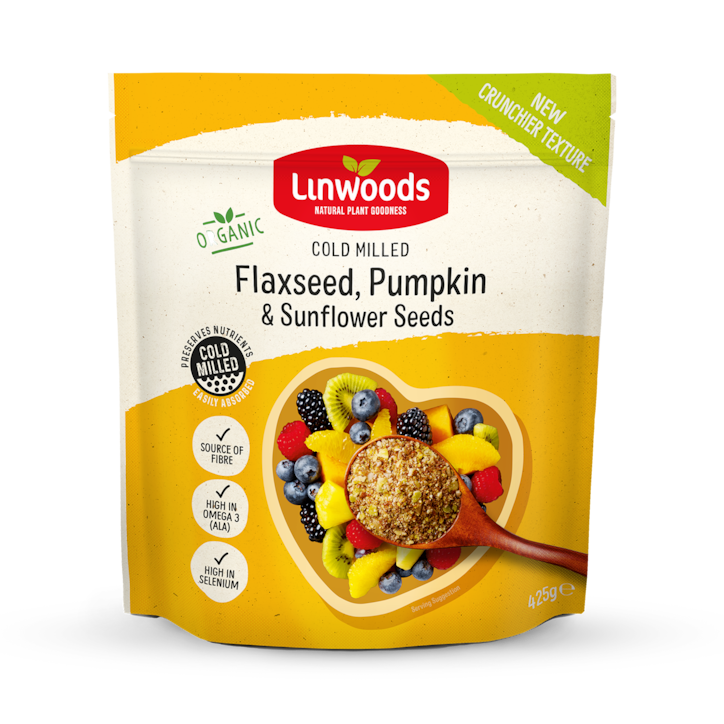
As an example of the kind of pack to compare, the H&B UK range includes Linwoods Milled Organic Flaxseed and a flaxseed, sunflower and pumpkin seed mix. Compare the ingredient lists and read the actual packet for its certification, allergen advice and serving directions. UK catalogue presence does not establish Gibraltar stock, so check locally before visiting for a particular item.
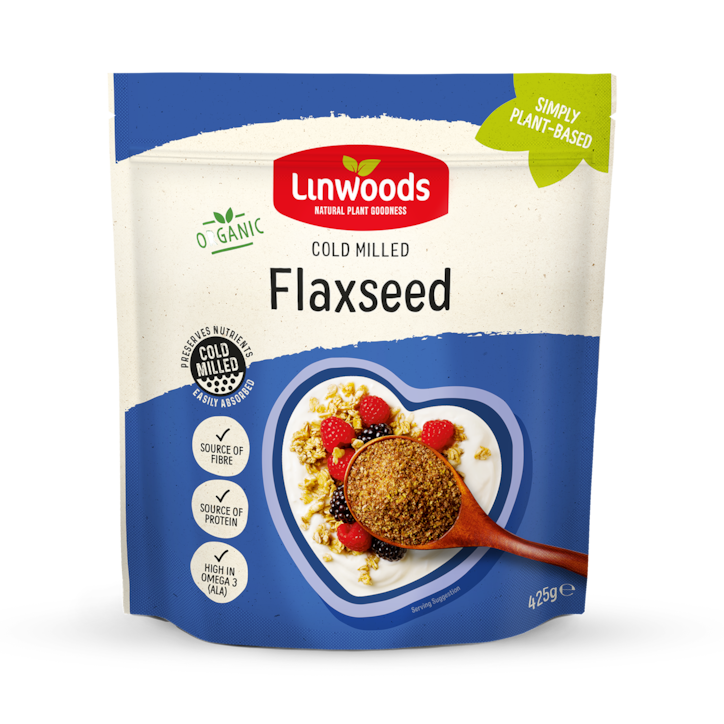
If you use seeds daily, compare a single-ingredient product with a mix. The mix may save you buying three separate packs; a plain seed may be easier for a specific recipe. Check the serving information and storage after opening, as a larger bag only offers value if you can use it in time.
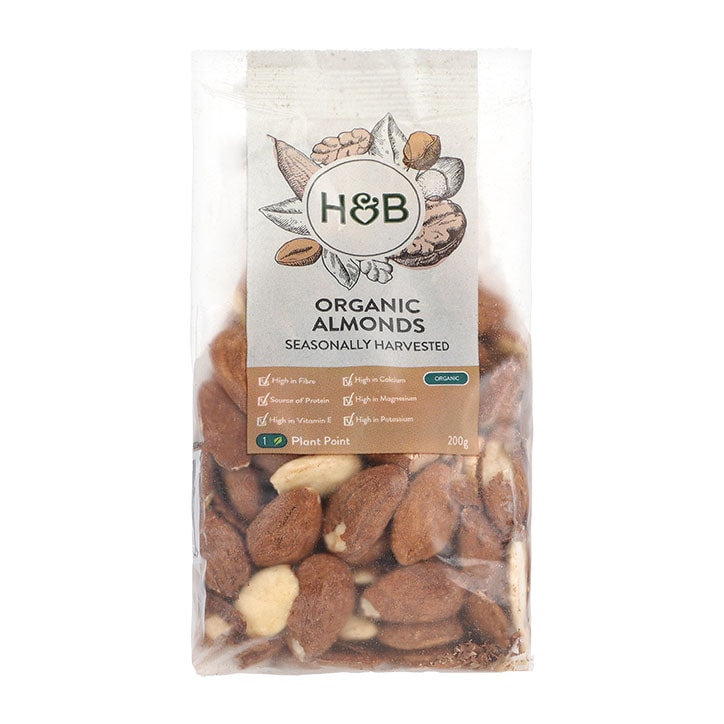
A different choice is the H&B Organic Almonds 200g shown in the UK catalogue. A bag of almonds can be a snack or an ingredient in baking, but it is also a nut allergen. Compare its ingredients, pack size and value for your own use; do not assume a UK promotion applies locally.
Three labels that mean different things
Organic versus natural
Organic certification relates to defined production rules. “Natural” on the front of a packet does not, by itself, establish that a product is organic. Turn the pack around and check the mark. A product can reasonably be described as natural by a brand while having no organic certification at all.
Organic versus gluten-free
Organic wheat flour is still wheat flour. If you have coeliac disease or need to avoid gluten, use products specifically labelled gluten-free and read the full ingredient and allergen information. Our gluten-free shopping guide explains the practical checks.
Oats are another example: an organic bag of oats is not automatically suitable for a gluten-free diet. If this matters to you, look for a separate gluten-free statement and follow your dietitian's advice. Organic and gluten-free answer two different questions.
Organic versus a balanced diet
An organic biscuit is still a biscuit. Choose products that suit the meal or snack you are planning, and compare the nutrition panel where it matters to you. Certification does not tell you whether a food contains sugar, salt or a particular allergen.
The same applies to organic oil, chocolate or dried fruit: each has a place in different recipes, but the organic mark does not rank one food as a substitute for all the variety in a balanced diet. Shopping by intended use makes the label more helpful.
Make the most of a small organic food budget
You do not have to buy everything organic. Choose one or two staples you use often, compare unit prices and check how long they keep after opening. A smaller pack may be better value for a household that uses only a little at a time, even if the larger pack has a lower price per gram.
Plan a few uses before buying. A seed mix can go into breakfast, a salad and baking. An open bag of nuts may suit snacks and cooking. If you only need an ingredient for one recipe, check whether the pack will be easy to finish or store.
Expert label-reading tip: compare the certification, ingredient list and price per usable serving together. A bold “organic” badge is useful, but the back-of-pack details tell you if the food fits your allergies, recipe and budget. Ask staff to help you locate an item; the final suitability check belongs to the actual pack.
Shop organic food on Main Street
Bring a short list and use the two stores at 53 and 160 Main Street to compare labels in person. Stock can differ by product and change over time; ask about a specific brand or pack before you travel. Find the stores and check opening hours.
Start with a recipe or meal rather than a claim. Compare a single-ingredient seed with a mix, look for a certification mark, and check storage and allergens. A practical decision in store is more useful than a cupboard full of unopened products.
Choose food you will enjoy using
Organic certification can help you identify a production standard, but it is only one part of choosing food. Read the full label, plan how you will use the pack and compare it with alternatives that suit your needs.
Visit our Main Street stores to see today's range and ask about a specific pack before travelling for it. Keep the shopping list short enough to make every item useful.
Frequently asked questions
Where can I buy organic food in Gibraltar?
Visit Holland & Barrett at 53 or 160 Main Street to browse the current food and pantry range. Check a particular item's availability with the store.
Does natural mean organic?
No. Look for a recognised organic certification on the pack if certified organic is what you want.
Are organic products gluten-free?
Not necessarily. Organic wheat, barley and rye still contain gluten. Check for a gluten-free label and the complete ingredients.
Is organic food always healthier?
Organic describes a production standard, not a complete nutrition rating. Compare ingredients, nutrition information, allergens and the role of the food in your overall diet.
Are the UK products shown available in Gibraltar?
Not necessarily. The photographs illustrate real products listed by H&B UK; ask our Main Street stores about the exact current Gibraltar range.