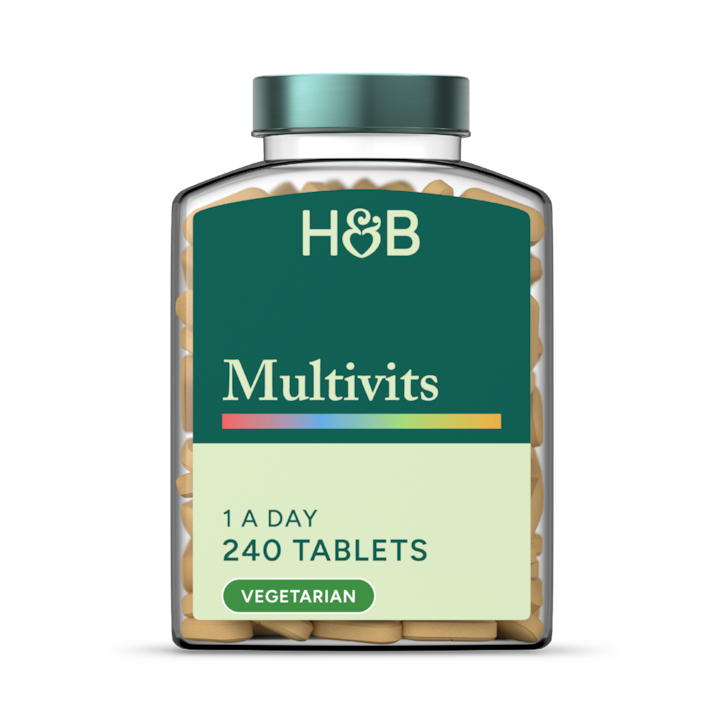
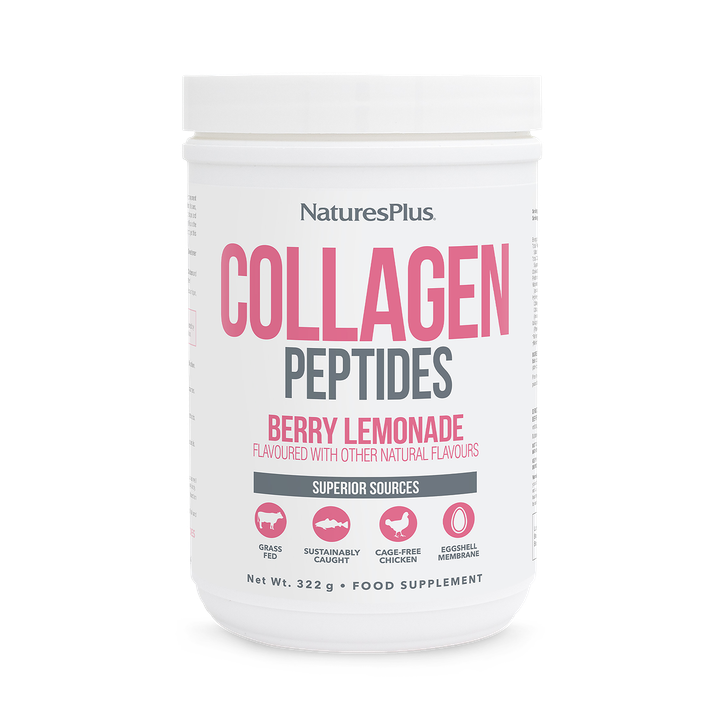
There's something unique about life on the Rock. We enjoy more sunshine than most of Britain, have the Mediterranean on our doorstep, and can walk from one end of town to the other in twenty minutes. Yet despite these advantages, many Gibraltar residents find themselves feeling tired, run down, or simply not at their best.
Pop into either of our Holland & Barrett stores on Main Street and you'll hear the same questions every day: "Why am I so tired all the time?" "What should I take for my immune system?" "My doctor says my vitamin D is low, but we live in Gibraltar!"
That last one surprises people most. Surely, with our climate, vitamin deficiencies shouldn't be an issue? The reality is more complicated. Modern life, whether you're working in one of the finance offices on Europort, spending your days in a Main Street shop, or commuting through the border from La Línea, often means hours spent indoors under artificial lighting. Add air conditioning in summer and central heating in winter, and suddenly that Mediterranean sunshine isn't doing as much for your health as you'd think.
Since 1870, Holland & Barrett has been helping people understand what their bodies actually need. That's over 150 years of learning what works and what doesn't. Here's what we've learned matters most for people living and working in Gibraltar.
The Vitamins That Make a Real Difference Here
Walk into any pharmacy or health shop and you'll face walls of bottles making all sorts of promises. Let's cut through the noise and focus on what genuinely helps.
Vitamin D: Yes, Even in Gibraltar
We need to talk about the elephant in the room. Gibraltar averages over 300 days of sunshine a year, yet vitamin D insufficiency remains remarkably common here. How?
Consider your typical day. You might catch some morning sun walking to work, but then you're indoors until evening. Office workers in Europort, retail staff on Main Street, those working at the hospital or in the gaming industry: most of us simply don't get the consistent sun exposure our bodies need to produce adequate vitamin D.
Then there's sun protection. We're rightly cautious about skin damage, but SPF 30 blocks approximately 97% of UVB rays, the same rays needed for vitamin D synthesis. It's a trade-off, and supplementation often makes sense.
According to the NHS, vitamin D helps regulate calcium and phosphate in the body, which are essential for healthy bones, teeth, and muscles. The UK government recommends that adults consider taking a 10 microgram (400IU) supplement daily, particularly during autumn and winter.
What does vitamin D actually do? It's not just about bones, though that's important. Research published in the British Medical Journal found that vitamin D supplementation helped protect against acute respiratory infections, particularly in those who were deficient. That's relevant when you're sharing a small peninsula with 30,000 other people.
Our vitamin D range includes everything from 400IU daily maintenance doses to higher-strength options for those with confirmed deficiencies. Sprays, tablets, capsules, gummies: there's genuinely a format to suit everyone, even those who struggle with swallowing pills.
Practical tip: Vitamin D3 (cholecalciferol) is what you want. It's the form your body produces naturally and uses most efficiently. Check the label because some cheaper supplements use D2, which isn't as effective.
Vitamin C: Beyond the Basics
Everyone knows vitamin C supports the immune system. But there's more to this vitamin than fighting off colds.
Vitamin C is essential for collagen production, which means your skin, joints, and blood vessels. It helps your body absorb iron from food, which matters if you're prone to low iron levels. And as an antioxidant, it helps protect cells from damage caused by pollution, UV exposure, and the general wear and tear of daily life.
The European Food Safety Authority (EFSA) has approved health claims for vitamin C relating to immune function, collagen formation, energy metabolism, and the protection of cells from oxidative stress.
Gibraltar's position means we occasionally get Saharan dust clouds drifting over, and pollution from the port and airport can affect air quality. Antioxidant support isn't just a nice-to-have.
Our vitamin C options range from straightforward tablets to time-release formulas (which maintain levels throughout the day rather than peaking and dropping) and liposomal vitamin C, which some research suggests absorbs more effectively.
B Vitamins: The Energy Question
"I need more energy" is probably the most common request we hear. Before reaching for another coffee, consider whether B vitamins might be what you're missing.
The B vitamin family works together to help your body convert food into usable energy. They're water-soluble, meaning your body doesn't store them, so you need a regular supply. Stress, alcohol, certain medications, and simply not eating enough variety can all deplete B vitamins faster than you replace them.
Signs you might benefit from B vitamin support include persistent tiredness that sleep doesn't fix, difficulty concentrating, feeling unusually stressed or anxious, and mouth ulcers or cracked lips.
The B Vitamin Family: Quick Reference
| Vitamin | Key Functions | Who Should Pay Attention |
|---|---|---|
| B1 (Thiamine) | Energy metabolism, nerve function | Those with high alcohol intake |
| B2 (Riboflavin) | Energy release, skin health | People experiencing fatigue |
| B3 (Niacin) | Energy metabolism, skin health | General wellness support |
| B5 (Pantothenic Acid) | Hormone production, energy | Those under high stress |
| B6 (Pyridoxine) | Protein metabolism, hormone regulation | Women, especially during hormonal changes |
| B7 (Biotin) | Hair, skin, nail health | Those concerned with hair/nail condition |
| B9 (Folate) | Cell division, DNA synthesis | Women planning pregnancy, everyone for heart health |
| B12 (Cobalamin) | Nerve function, red blood cells | Vegetarians, vegans, over-50s |
B12 deserves special mention. If you're vegetarian, vegan, or simply don't eat much meat, B12 supplementation is essentially non-negotiable. The NHS confirms that this vitamin is found almost exclusively in animal products, and deficiency can cause serious problems over time, including nerve damage and anaemia. It's also worth noting that absorption decreases with age, so those over 50 should consider supplementation regardless of diet.
Folate (B9) is critical for anyone who might become pregnant because it helps prevent neural tube defects in developing babies. The NHS recommends 400 micrograms daily from before conception until the 12th week of pregnancy.
You can take B vitamins individually or as a B-complex containing all eight. Browse our B vitamin range to find what suits your needs.
Beyond Vitamins: Supplements Worth Knowing About

Omega-3 Fatty Acids
Your brain is roughly 60% fat, and it needs the right kinds to function properly. Omega-3 fatty acids, specifically EPA and DHA, support brain function, heart health, and eye health. Your body can't make these; they must come from diet or supplements.
The British Heart Foundation recommends eating two portions of fish per week, one of which should be oily (salmon, mackerel, sardines). If you're not achieving this through diet, supplementation can help bridge the gap.
| Omega-3 Type | Source | Primary Benefits |
|---|---|---|
| EPA (Eicosapentaenoic acid) | Fish oil, algae | Heart health, inflammation |
| DHA (Docosahexaenoic acid) | Fish oil, algae | Brain function, eye health |
| ALA (Alpha-linolenic acid) | Flaxseed, walnuts | Converts (inefficiently) to EPA/DHA |
When choosing a fish oil supplement, look at the actual EPA and DHA content, not just the total fish oil amount. A capsule might contain 1000mg of fish oil but only 300mg of the omega-3s that actually matter. Our omega-3 range includes higher-strength options that concentrate these fatty acids so you get more benefit per capsule.
For vegetarians and vegans, algae-based omega-3 supplements provide the same EPA and DHA. After all, that's where the fish get it from in the first place.
Probiotics and Gut Health
This area has exploded in recent years, and for good reason. The bacteria living in your digestive system influence far more than digestion. They're linked to immune function, mood, skin health, and more.
Research from institutions including King's College London has shown connections between gut microbiome diversity and mental wellbeing. While this field is still developing, the evidence for probiotic benefits in digestive health is well-established.
Modern life isn't kind to gut bacteria. Antibiotics (necessary as they sometimes are) don't discriminate between harmful and helpful bacteria. Processed foods, stress, and alcohol all affect your microbiome. Even the chlorine in tap water can have an impact.
Choosing a Probiotic: What to Look For
| Factor | What It Means | Why It Matters |
|---|---|---|
| CFU Count | Colony-forming units (live bacteria per dose) | Higher isn't always better; 1-10 billion is typical for maintenance |
| Strain Diversity | Number of different bacterial species | Different strains serve different functions |
| Survivability | Can bacteria survive stomach acid? | Quality supplements use acid-resistant strains or delivery methods |
| Storage Requirements | Refrigeration needed? | Affects convenience; shelf-stable options are available |
If you're not sure where to start, browse our probiotics range or ask our team for guidance based on what you're hoping to achieve.
Collagen
Collagen is the protein that keeps skin firm, joints cushioned, and hair strong. Your body produces it naturally, but production declines from your mid-twenties onwards. By the time you reach your forties, you're producing significantly less than you did in your youth.
A systematic review published in the Journal of Drugs in Dermatology found that oral collagen supplementation increased skin elasticity, hydration, and dermal collagen density. Most studies used 2.5-10g daily for 8-12 weeks.
| Collagen Type | Primary Source | Main Benefits |
|---|---|---|
| Type I | Marine, bovine | Skin, hair, nails, bones |
| Type II | Chicken | Joint cartilage |
| Type III | Bovine | Skin structure, blood vessels |
Our collagen range includes marine collagen, bovine collagen, and vegan collagen-boosting alternatives. Format options include powders, capsules, and even collagen-enriched foods like our Expert range collagen hot chocolate.
Magnesium
Magnesium is involved in over 300 enzymatic processes in your body, yet according to dietary surveys, many people in the UK don't meet recommended intakes. Symptoms of low magnesium include muscle cramps (particularly at night), trouble sleeping, feeling stressed or anxious, and headaches.
Sound familiar? These are incredibly common complaints.
Magnesium Forms Compared
| Form | Absorption | Best For | Notes |
|---|---|---|---|
| Magnesium Citrate | High | General supplementation | Well-tolerated, good all-rounder |
| Magnesium Glycinate | High | Sleep, relaxation, sensitive stomachs | Calming; popular evening supplement |
| Magnesium Oxide | Lower | Budget option, constipation | Higher elemental magnesium but less bioavailable |
| Magnesium Malate | High | Energy, muscle function | Often recommended for fatigue |
| Magnesium L-Threonate | Moderate | Cognitive function | Crosses blood-brain barrier |
If you're experiencing muscle cramps after exercise or during the night, magnesium is often worth trying before anything else.
Matching Supplements to Your Life
Rather than following generic advice, think about your actual circumstances.
| Your Situation | Priority Supplements | Why |
|---|---|---|
| Working long hours indoors | Vitamin D, B-Complex | Limited sun exposure; stress depletes B vitamins |
| Regular gym training | Magnesium, protein, electrolytes | Muscle function, recovery, hydration |
| Plant-based diet | B12, omega-3 (algae), iron, zinc | Nutrients primarily found in animal products |
| Going through menopause | Vitamin D, calcium, evening primrose | Bone health; symptom management |
| Pregnant or trying to conceive | Folic acid, vitamin D, omega-3 | Neural tube development; foetal health |
| Over 50 | B12, vitamin D, glucosamine | Decreased absorption; joint support |
| Shift worker | Vitamin D, B vitamins, melatonin | Disrupted rhythms; energy support |
For more detailed guidance on specific life stages, visit our Health Hub or speak with our trained staff.
A Note on Quality
Not all supplements are equal. The industry is crowded with products of varying quality, and price isn't always a reliable indicator.
At Holland & Barrett, quality control is fundamental to what we do. It has been since 1870. Products on our shelves meet strict standards for purity, potency, and safety. Our own-brand supplements are manufactured to pharmaceutical-grade standards, which means what's stated on the label is genuinely what's in the bottle.
This matters because a cheap supplement that isn't properly absorbed, or doesn't contain what it claims, is no bargain at all.
Our staff complete extensive training in nutrition and supplementation. Not a quick online course, but genuine education that equips them to give informed advice. When you ask a question in our stores, you're getting answers based on real knowledge, not just someone reading the back of a packet.
Visit Us on Main Street
Whether you know exactly what you're looking for or you're not sure where to begin, our doors are open. We're at both 53 Main Street and 160 Main Street, so chances are you'll pass one of our stores during a normal day in town.
Bring your questions. Tell us about your health goals or the symptoms that have been bothering you. Let us help you find supplements that make sense for your life, not just whatever's currently being hyped online.
And if you join our Club Card programme, you'll earn points on every purchase that translate into money off future shops. It costs nothing to join and the savings add up.
Find us at:
We're open Monday to Friday 9:30am to 7:30pm, and Saturdays 10am to 5pm. See you soon.
Frequently Asked Questions
I already eat well. Do I really need supplements?
A balanced diet should always come first because supplements are exactly that, supplementary. However, even with excellent eating habits, certain nutrients are difficult to obtain in optimal amounts through food alone. Vitamin D is the obvious example (you'd need to eat enormous amounts of oily fish daily), but research shows that modern farming practices have also reduced mineral content in many foods compared to previous generations. Think of supplements as insurance for the gaps.
What time of day should I take my vitamins?
It depends on the supplement. Fat-soluble vitamins (A, D, E, and K) absorb better when taken with food containing some fat, so with breakfast or lunch works well. B vitamins can be energising for some people, so morning is generally better than evening. Magnesium has calming properties, making it popular as an evening supplement. Iron absorbs best on an empty stomach but can cause nausea, so taking it with a small amount of food is a reasonable compromise. If you're taking multiple supplements, our staff can help you work out a sensible schedule.
Can I take several different supplements together?
Most supplements can be combined without issues, but there are exceptions. Calcium and iron compete for absorption, so they're best taken at different times. High-dose zinc can interfere with copper absorption over time. Certain supplements interact with medications, so if you take prescription drugs, always check before adding supplements. Our staff are trained to advise on these interactions.
How long until I notice a difference?
This varies enormously. Some effects are relatively quick: B vitamins can improve energy within a week or two for someone who was deficient. Others take longer; studies on collagen typically show results after 8-12 weeks of consistent use. Probiotic effects on digestion might be noticeable within a few weeks. The key is consistency because supplements work through regular use, not occasional doses.
Why are some supplements so much more expensive than others?
Several factors affect price: ingredient quality, form (some forms of nutrients absorb better but cost more to produce), manufacturing standards, testing and quality control, and whether you're paying for a brand name. Expensive doesn't automatically mean better, but very cheap supplements should raise questions about what corners have been cut. Our own-brand products are formulated to offer quality comparable to premium brands at more accessible prices.
Are Holland & Barrett's own-brand products as good as the big name brands?
Yes, and we'd argue sometimes better. Our own-brand supplements are developed by qualified nutritionists and manufactured to pharmaceutical-grade standards, often in the same facilities that produce premium brands. The difference is that we don't have the same marketing costs to recoup. When you buy Holland & Barrett brand, you're paying for the product, not advertising campaigns.
I'm vegetarian/vegan. What do I need to know?
Plant-based diets can be wonderfully healthy, but certain nutrients need attention. B12 is the critical one because, as the NHS confirms, it's found almost exclusively in animal products. Supplementation is essential for vegans and advisable for vegetarians who don't eat much dairy or eggs. Omega-3 from algae provides the EPA and DHA otherwise obtained from fish. Iron from plant sources isn't absorbed as efficiently as from meat, so levels are worth monitoring. We stock an extensive range of vegan-friendly supplements. Look for the vegan symbol or ask our team.
My friend recommended a supplement that worked great for them. Should I take it?
What works for one person doesn't necessarily suit another because we all have different bodies, diets, lifestyles, and health situations. Your friend's recommendation might be worth exploring, but it's sensible to understand why they found it helpful and whether your circumstances are similar. Our staff can help you work out whether a particular supplement makes sense for you specifically.
Do supplements expire? I found some old ones in my cupboard.
Supplements do have expiry dates, and potency can decline over time, particularly for vitamins C and B. Probiotics lose viable bacteria counts as they age. Taking expired supplements isn't dangerous in most cases, but you may not get the full benefit. The bigger issue is often storage because supplements should generally be kept in a cool, dry place away from sunlight. If yours have been sitting in a hot bathroom cabinet for two years, it's probably time to replace them.
I've heard some supplements can interact with medications. How do I know what's safe?
This is an important consideration. St John's Wort, for example, can interfere with contraceptive pills, antidepressants, and other medications. High-dose fish oil can affect blood clotting, which is relevant if you're on blood thinners. Even vitamin K can interfere with warfarin. Always tell your doctor or pharmacist about supplements you're taking, and if you're on regular medication, check before starting anything new. Our staff have training in common interactions and can flag potential concerns. The NHS provides additional guidance on supplement safety.
Can I give supplements to my children?
Many supplements are available in child-appropriate formulations and doses. Vitamin D is commonly recommended for children in the UK, and a multivitamin can be useful for fussy eaters. However, children's needs differ from adults', and doses must be appropriate for their age and size. Never give adult supplements to children without checking suitability. We stock specific children's ranges designed for young bodies.
I've seen supplements claiming to help with [specific condition]. Do they actually work?
Regulations prevent supplements from claiming to treat, cure, or prevent diseases because those claims are reserved for medicines. What supplements can do is support normal body functions. The EFSA maintains a register of approved health claims for nutrients. For example, a supplement can't claim to "cure arthritis" but can note that glucosamine "supports joint health." Some supplements have stronger evidence behind them than others. If you're looking to address a specific health concern, have a conversation with our staff about what evidence exists and what realistic expectations might be.
Are there any supplements I should avoid?
Most mainstream supplements are safe at recommended doses, but problems can arise with excessive intake. Very high doses of vitamin A can be harmful, particularly during pregnancy. Too much iron can cause serious problems. Fat-soluble vitamins (A, D, E, K) can accumulate in the body, unlike water-soluble vitamins that you simply excrete if you take too much. The principle is simple: more isn't necessarily better. Stick to recommended doses unless advised otherwise by a healthcare professional.
What's the difference between tablets, capsules, liquids, and gummies?
Different formats suit different people and can affect absorption. Tablets are compressed powder, which is cost-effective but can be harder to swallow. Capsules contain powder or liquid in a dissolvable shell, often easier to swallow than tablets. Liquids absorb quickly and suit those who struggle with pills. Gummies make supplementation pleasant but often contain sugar and may have lower nutrient levels. Sprays (popular for B12 and vitamin D) absorb through the mouth, bypassing the digestive system. Choose based on your preferences and needs because the best supplement is one you'll actually take consistently.
How do I know if a supplement is working?
For some supplements, the effects are noticeable: improved energy, better sleep, fewer muscle cramps. For others, you may not feel different but the supplement is still doing its job (vitamin D supporting your bones, for instance). If you're taking a supplement for a specific reason, give it adequate time (usually at least a month, often longer) and pay attention to the issue you were trying to address. For certain nutrients like vitamin D or B12, blood tests can confirm whether levels have improved.
Is it better to buy supplements in Gibraltar or order online from the UK?
Buying locally has advantages: you can speak to trained staff, get personalised advice, and take your products home the same day. There's no waiting for delivery or worrying about items sitting in customs. Our prices are competitive, and Club Card offers add extra value. For ongoing needs, we're happy to set aside products or let you know when specific items arrive. Plus, you're supporting a local business that employs Gibraltar residents.
I work shifts or unusual hours. Does that affect what supplements I should take?
Shift work can disrupt your body's natural rhythms, affecting sleep, energy, and even nutrient absorption. B vitamins and magnesium can help support energy levels. If you're working nights and sleeping during the day, vitamin D becomes even more important since you're missing peak sunlight hours. Melatonin (available in our stores) can help some people adjust sleep patterns. Come in and chat with us about your specific schedule because we help a lot of Gibraltar's shift workers, from hospital staff to casino employees.
What supplements should I take when travelling?
Gibraltar residents travel frequently, whether it's a weekend in Spain, a trip back to the UK, or further afield. Probiotics can help protect against traveller's digestive issues. Vitamin C and zinc support immune function when you're exposed to new environments and recirculated plane air. If you're travelling somewhere with intense sun, internal antioxidant support complements your external sun protection. For long flights, some people find magnesium helps with muscle comfort and sleep.
Related Articles:
- Immune Support for Gibraltar's Winter Months
- Plant-Based Living in Gibraltar: A Beginner's Guide
- Gut Health 101: Understanding Probiotics
Holland & Barrett: established 1870. Trusted on the Rock and around the world for over 150 years.
This article provides general information and is not intended to diagnose, treat, cure, or prevent any disease. If you have specific health concerns or take regular medication, please consult your doctor or pharmacist before starting new supplements.
Sources:
- NHS. Vitamin D. https://www.nhs.uk/conditions/vitamins-and-minerals/vitamin-d/
- British Medical Journal. Vitamin D supplementation to prevent acute respiratory tract infections. https://www.bmj.com/content/356/bmj.i6583
- European Food Safety Authority. Vitamin C health claims. https://www.efsa.europa.eu/en/efsajournal/pub/4298
- British Heart Foundation. Fish oils and omega-3. https://www.bhf.org.uk/informationsupport/heart-matters-magazine/nutrition/fish-oils-and-omega-3
- Journal of Drugs in Dermatology. Oral Collagen Supplementation: A Systematic Review. https://jddonline.com/articles/oral-collagen-supplementation-a-systematic-review-of-dermatological-applications-S1545961619P0009X/
- UK Government. National Diet and Nutrition Survey. https://www.gov.uk/government/statistics/ndns-results-from-years-9-to-11-2016-to-2017-and-2018-to-2019