
Think you’re saffron savvy? Learn about the spice with a famously hefty price – and how it may support you, from sleep, stress and more
Summary
1What are saffron’s potential benefits?
Not only could saffron make a tasty addition to your dinner, but it’s said to have extra benefits like regulating mood...
2How to use saffron (and how much)
While saffron’s an aromatic addition to your meals, one of the best ways to take it is to add the threads to hot water...
3Does saffron have any side effects?
While saffron’s generally safe to take, there's a chance you could experience some side effects like headaches...
Saffron: it’s either made its way into your kitchen or it’s firmly relegated to the supermarket shelves. How much? But this spenny spice could do more than jazz up your risotto – it’s said to tout a range of potential health benefits. What’s actually true? We’ll delve deeper into the saffron science...
What’s saffron?
Saffron is a spice that comes from the crocus sativus flower, which is commonly known as the “saffron crocus”. It has been cultivated over thousands of years by people in Asia Minor for a wide variety of uses.
To make the spice, the stigma of the flower (or its ‘threads’) are plucked by hand and then dried for at least 12 hours. It’s famously very expensive – costing about £8-10 per gram in UK supermarkets.

What are the potential benefits of saffron?
So, is it worth the price tag? Not only could saffron make a tasty addition to your dinner, but emerging research suggests it could have extra benefits.
That said, sprinkling saffron into your meal won’t be the same as taking a saffron supplement due to the dosage.
Saffron may help reduce stress and anxiety
Saffron’s referred to as the ‘sunshine spice’ for more than just its golden hue. There’s emerging evidence to suggest it might support your mood when taken over a period of time.
Safr’Inside™, a specific brand of saffron, possibly plays a role in stress management at 30mg per day (0.2% safranal) versus a placebo, when taken for eight weeks.1
A study involving 19 healthy men aged 19-25 showed a significantly lower stress response (measured by cortisol levels) in those taking a saffron extract (Safr’Inside™).1 This was a small study and more research is needed, but it’s an interesting source of emerging evidence.
Finally, a 2021 study showed a link between saffron and reduced depression scores, improved social relationships and lower heart rate variability during exposure to stress.2 Participants were 56 healthy adults with subclinical feelings of low mood, anxiety and stress, who were given either 30mg saffron extract or a placebo for eight weeks. Of course, the study wasn't without its limitations and more research is needed to understand this link.
Saffron may support sleep
Overall, early evidence for saffron and sleep seems promising. A systematic review of five studies (with 379 participants in total) concluded that “it seems that saffron has a beneficial influence on duration and quality of sleep”.3 It also found that saffron increased evening levels of melatonin, the ‘sleep hormone’.3
One of these studies asked 54 people with depression and diabetes to take either 30mg saffron or a placebo daily for eight weeks. It found a significant reduction in sleep disturbance among the saffron group.4 Safr’Inside™ possibly contributes to improved sleep at 30mg a day (with 0.2% safranal) versus a placebo after four weeks of taking.5
One study in this meta-analysis reported fewer insomnia symptoms. Some found beneficial effects at 14mg saffron per day, while others didn’t see a change until 28mg. Still, the meta-analysis concluded a potential connection between the use of saffron and sleep quality.5
Saffron may contribute to fullness and weight loss
According to one 2010 study, saffron capsules (Satiereal, twice a day for eight weeks) reduced snacking frequency and increased satiety (fullness) in healthy, mildly overweight women compared to a placebo group.6
The study concluded that “the combination of an adequate diet with Satiereal supplementation might help subjects engaged in a weight loss program”, thus showing this saffron extract possibly contributes to improved weight management (hunger, snacking and body weight).6 While this study showed promising results, more research in larger populations is needed.
Overall, evidence is mixed for saffron and weight management and more research is needed in larger populations. While the jury may be out on some of these benefits, there are some interesting studies in this space, with some promising evidence especially for clinically studied saffron extracts. Ongoing research spans sleep, mood and even weight management.
Before trying any new supplements, it's important to check with your GP first that they’re suitable for you. In the meantime, why not enjoy saffron the traditional way...?
How to use saffron (and how much)
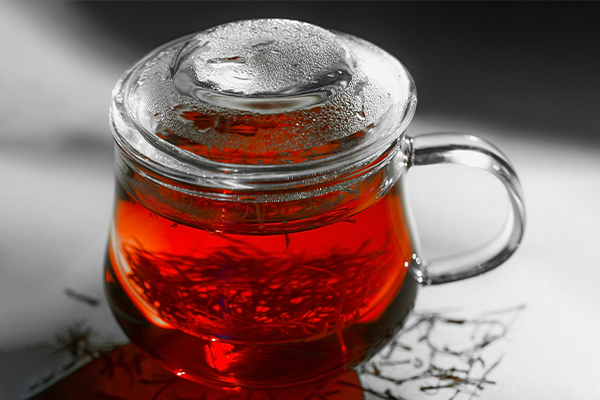
While saffron’s an aromatic addition to your meals, one of the best ways to take it is to add the threads to some hot water and allow them to soak – but make sure not to use boiling water! Store your saffron in a dark, airtight container at room temperature to keep it at its best.7,8
Before taking a new supplement, please check with a healthcare professional if it’s suitable for you.
Who shouldn’t take saffron?
You should avoid taking saffron if: 10
- you're pregnant or breastfeeding
- you have low blood sugar (hypoglycemia)
- you have low blood pressure (hypotension)
- you have bipolar disorder
- you're at risk of bleeding
Does saffron have any side effects?
While saffron’s generally safe to take, there's a chance you could experience some side effects. The most common are nausea, headache, changes in appetite and drowsiness.11
The final say
Tempted by the world’s most expensive spice?
As well as being a tasty addition to your menu, it shows some potential for improving mood, sleep and more. Sprinkling it into sauces won’t work magic, but supplements might be worth a try if you’re curious and you’ve got your doctor’s approval.
If you’re still feeling spicy, check out our ultimate guides to turmeric and cinnamon.
Disclaimer - This article provides informational advice and is not a substitute for medical care. Curated by experts for accuracy, we take great care to ensure the information is up-to-date and relevant. However, you should always consult your GP or healthcare professional before using supplements or alternative products, particularly if you have medical conditions or are under supervision.